About
Hi, I’m Alicia.I work on the questions that get harder after you become successful.
How are people reading the experience you have built? What have they learned to trust you with? What happens when your responsibility grows faster than your authority? What do you do when the organization changes around you? And what should everything you have already done make possible from here?
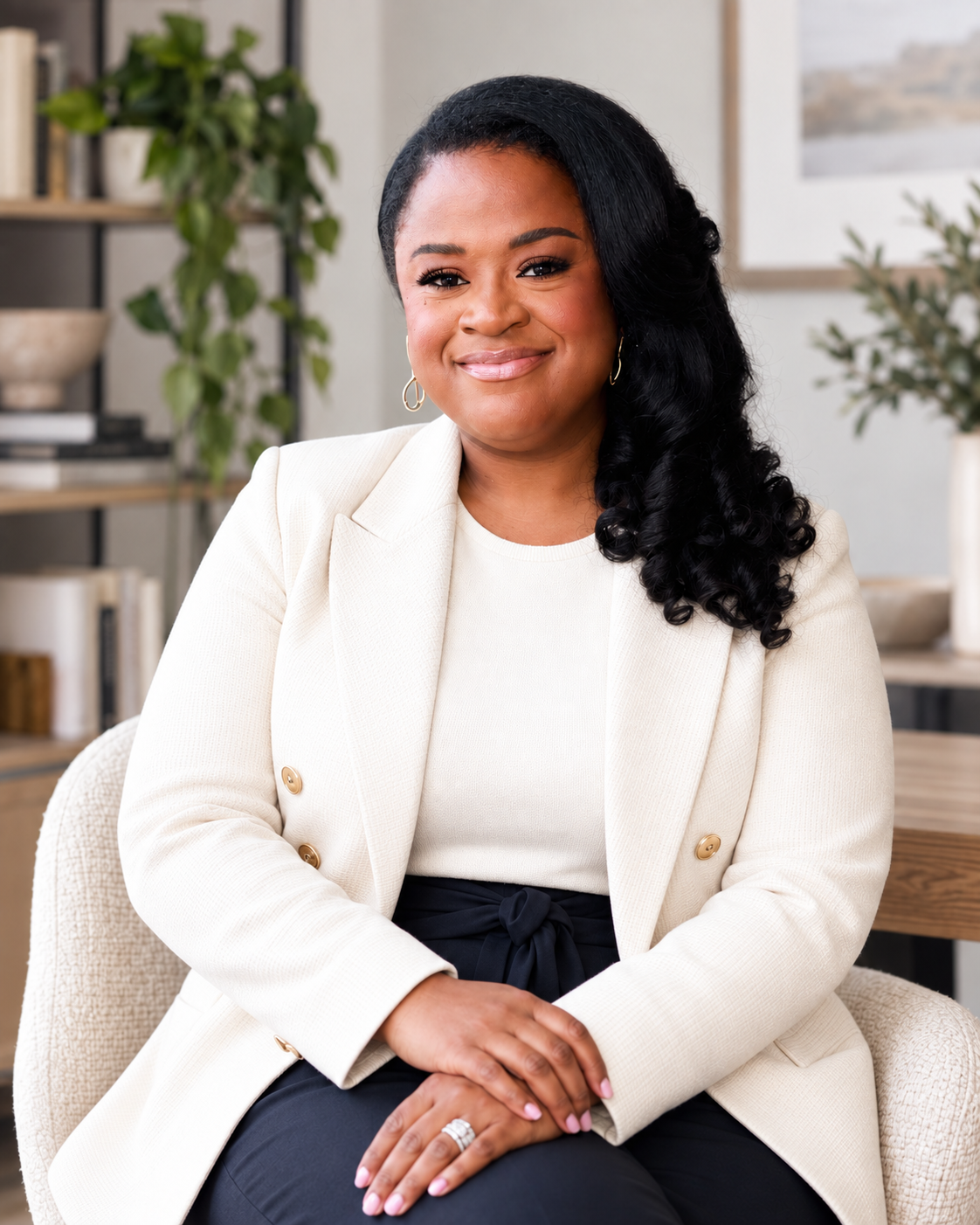
I have spent my career paying attention to what happens after someone becomes successful.
Reaching senior leadership does not make the questions easier.
The decisions become less obvious. More people are affected by them. And people are constantly learning something from what you say, what you prioritize, what you challenge, and what you repeatedly take responsibility for.
Over time, that creates a reputation.
It shapes what people bring you into, what they trust you to decide, where they still hesitate, and what they imagine you doing next.
That is the work behind The Positioning House.
As featured in
- Forbes
- Built In
- Yahoo Finance
- HerMoney
- Money
- LinkedIn News
Where the work came from
I spent more than 15 years close to the decisions being made about leaders.
I worked across recruiting, executive placement, and talent development, close to decisions about who was hired, promoted, trusted with more, and considered ready for greater responsibility.
I saw leaders whose titles understated what they were already doing.
I saw people whose reputations had not caught up with how much they had grown.
I saw strong experience translate clearly in one environment and poorly in another.
And I saw how quickly a change in leadership, business priorities, or organizational need could change what experience suddenly mattered.
After leaving corporate, I began advising senior leaders privately.
More than 400 leaders later, I kept seeing versions of the same problem: the leader had changed, the work had changed, or the organization had changed, while the conclusions around them had stayed largely the same.
That became the foundation of The Positioning House.
The question behind the work
What does your leadership teach people to trust you with?
A long career creates more than experience.
It creates expectations.
People learn which problems belong with you. They learn when to ask for your opinion, when to hand you the decision, and when to look somewhere else.
They learn how you think under pressure, how clearly you take a position, what kinds of work your name becomes attached to, and whether your authority seems to grow with your responsibility.
Those patterns accumulate.
My work looks at what they are teaching people and what that is making more likely next.
My perspective
I have seen the same kinds of decisions from both sides.
My years in recruiting and talent gave me a view of how organizations decide what someone is ready for.
My advisory work has shown me what those decisions look like from the leader’s side.
The promotion that seems delayed for no clear reason.
The new leader quietly reassessing everyone.
The role that has grown without the authority moving with it.
The outside opportunity that looks better on paper but may keep the career moving in the same direction.
That combination affects how I read a situation.
I am usually less interested in the first explanation than in what the decisions around the leader are actually showing.
The methodology
How people read your leadership changes what they trust you with.
I created the Executive Signal System™ to examine the signals people are already using to form conclusions about senior leaders.
- 01
Language
Can people understand what you think?
- 02
Judgment
Do they trust how you think and decide?
- 03
Presence
What happens to how you show up when the stakes rise?
- 04
Visibility
Are the right people seeing enough evidence of your leadership?
- 05
Authority
What does all of that lead people to trust you with?
Two leaders can have similar experience and still leave an organization with very different conclusions about what each one is ready for.
The Executive Signal System™ helps explain why.
In their words
What the work looks like in practice.
“Alicia was the person I called before I made the decision and not after. She understood the politics of the situation, what the board was actually weighing, and what my experience made valid.”
Chief Operating Officer
Global logistics
“She reads organizations accurately. She could tell me how my leadership was being interpreted at the executive level, where that reading was wrong, and what it would take to change it.”
Senior Vice President
Enterprise technology
“New leadership came in and reassessed everyone. Alicia helped me think clearly about scope, authority, and what I wanted the next chapter to be instead of reacting to the reorganization.”
Vice President
Financial services
The Positioning House
The work has grown into a larger body of strategy and education.
I founded The Positioning House to develop advisory, education, systems, tools, speaking, and publishing around the questions senior leaders face as responsibility grows.
Some of the work is used privately by individual leaders. Some is brought inside organizations.
The format changes.
The question underneath it does not:
What has your experience taught people to believe about you, and is that helping you get where you want to go next?
The Executive Read
Start with The Executive Read.
The Executive Read examines how organizations form conclusions about senior leaders, what signals shape trust and readiness, and why substantial experience can still be misunderstood or undervalued.